Manuscript in preparation.
This book examines how authoritarian governments rely on legal professionals to govern. Focusing on China, I study lawyers, judges, prosecutors, legal aid workers, and grassroots legal service providers. Their decisions shape how citizens encounter state authority and which claims they can pursue.
Based on my dissertation, the manuscript draws on original fieldwork and firsthand evidence from legal aid hotlines, interviews, and experiments with citizens and lawyers. It also uses participant observation, archival research, and online ethnography.
Core Argument
I argue that professional autonomy is a resource for authoritarian governance. It makes expertise useful to officials and credible to citizens, but also enables professionals to support claims that conflict with state priorities. Political supervision and economic dependence determine how far that autonomy extends.
In law, these limits produce bounded legality. Legal professionals can make rights usable in routine disputes, while their support for collective or politically sensitive claims remains constrained. The book examines how professional incentives and trust between citizens and legal professionals shape the scope for legal empowerment.
Evidence and Methods
- Interviews and field interactions with citizens, lawyers, judges, judicial officials, bar association members, and grassroots legal workers.
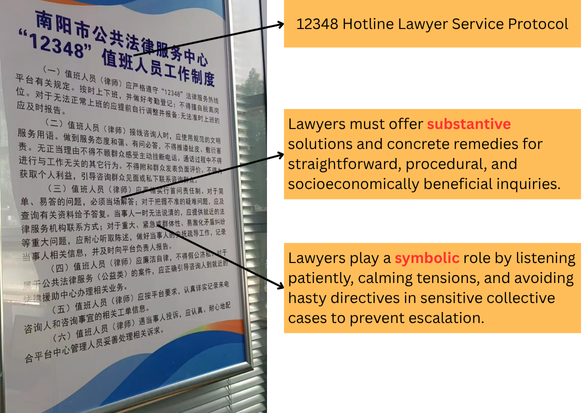
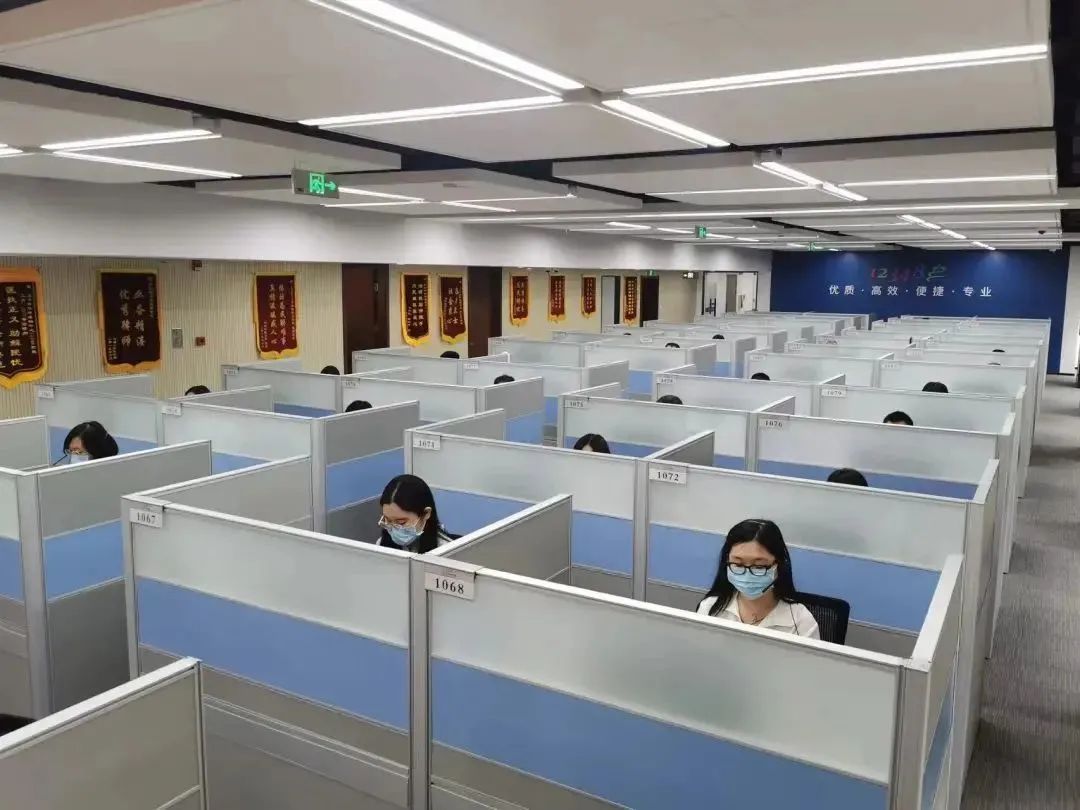
- An audit study of roughly 3,000 calls to city-level 12348 legal aid hotlines, randomizing caller profiles and legal demands to compare advice across routine, distributive, and politically sensitive cases.
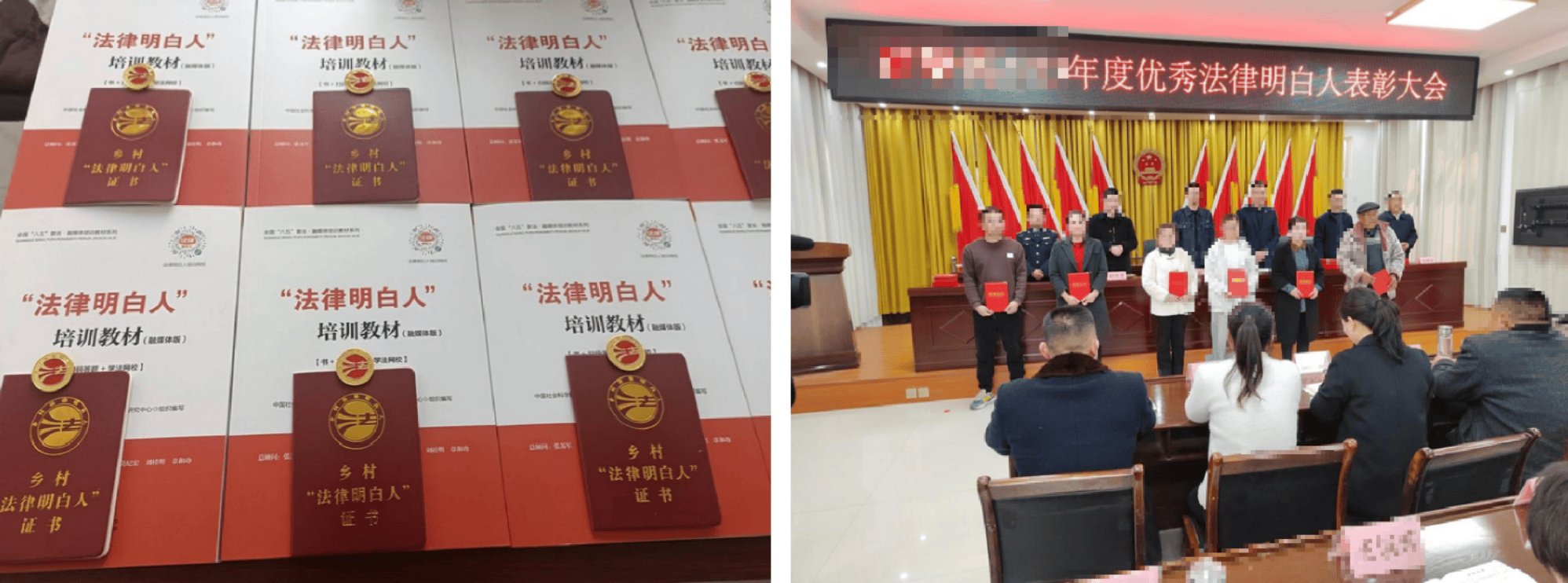
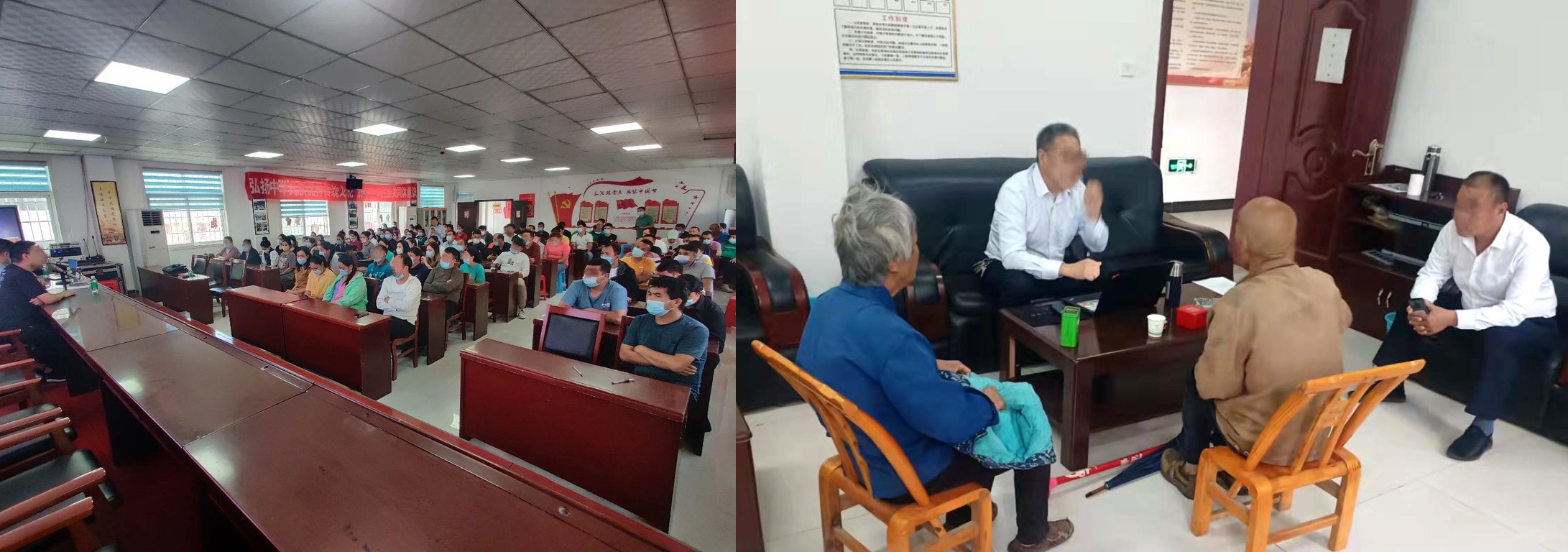
- More than twenty weeks of fieldwork in the rural village lawyer program across 70 villages in Henan, observing and accompanying lawyers who provide legal education and consultations.
- Parallel survey experiments with more than 1,500 citizens and 1,200 legal professionals, testing how messages, professional norms, and expectations affect legal mobilization.
Fieldwork I: Hotline Governance and Delegated Justice
The hotline audit examines how advice varies with citizens’ legal claims. Service protocols call for substantive guidance on routine disputes and emphasize listening and redirection in sensitive collective cases.
Fieldwork II: Village Lawyering in Rural Henan
In rural Henan, I followed lawyers and grassroots legal workers as they taught residents, distributed legal materials, and provided consultations. These services offer help with ordinary disputes, while advice about claims against authorities remains limited.
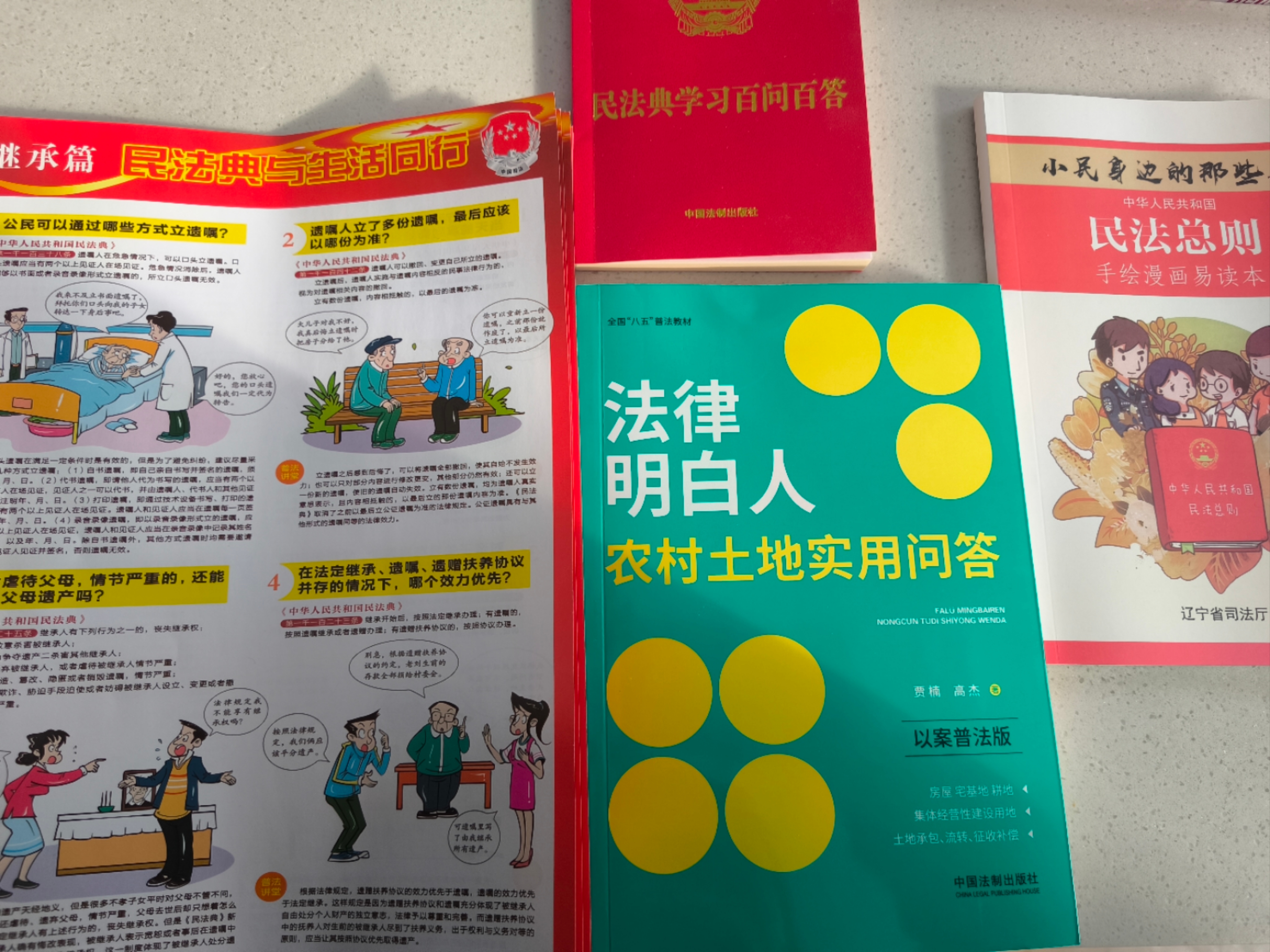
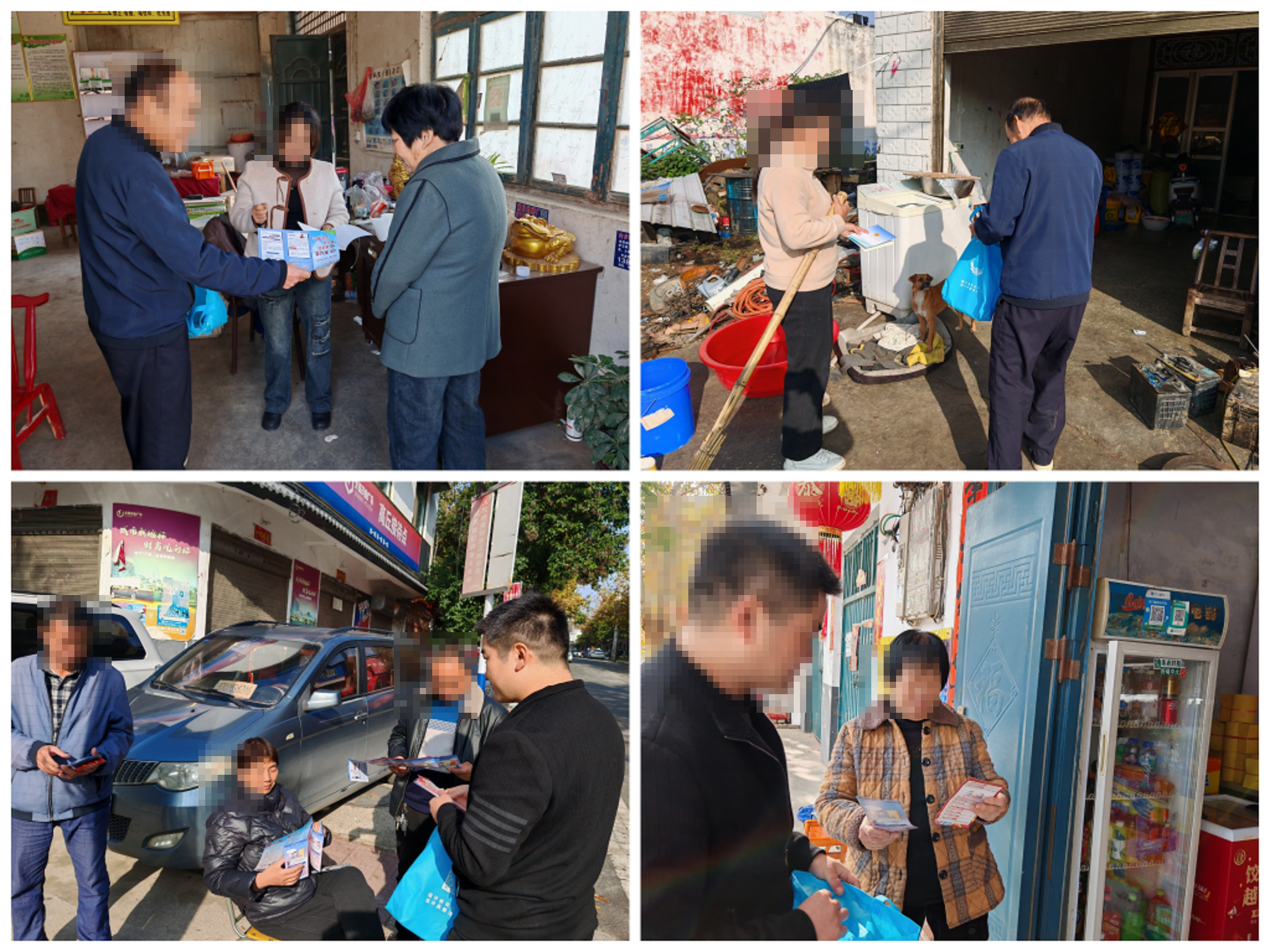
Identifying details in fieldwork photographs have been blurred where needed.